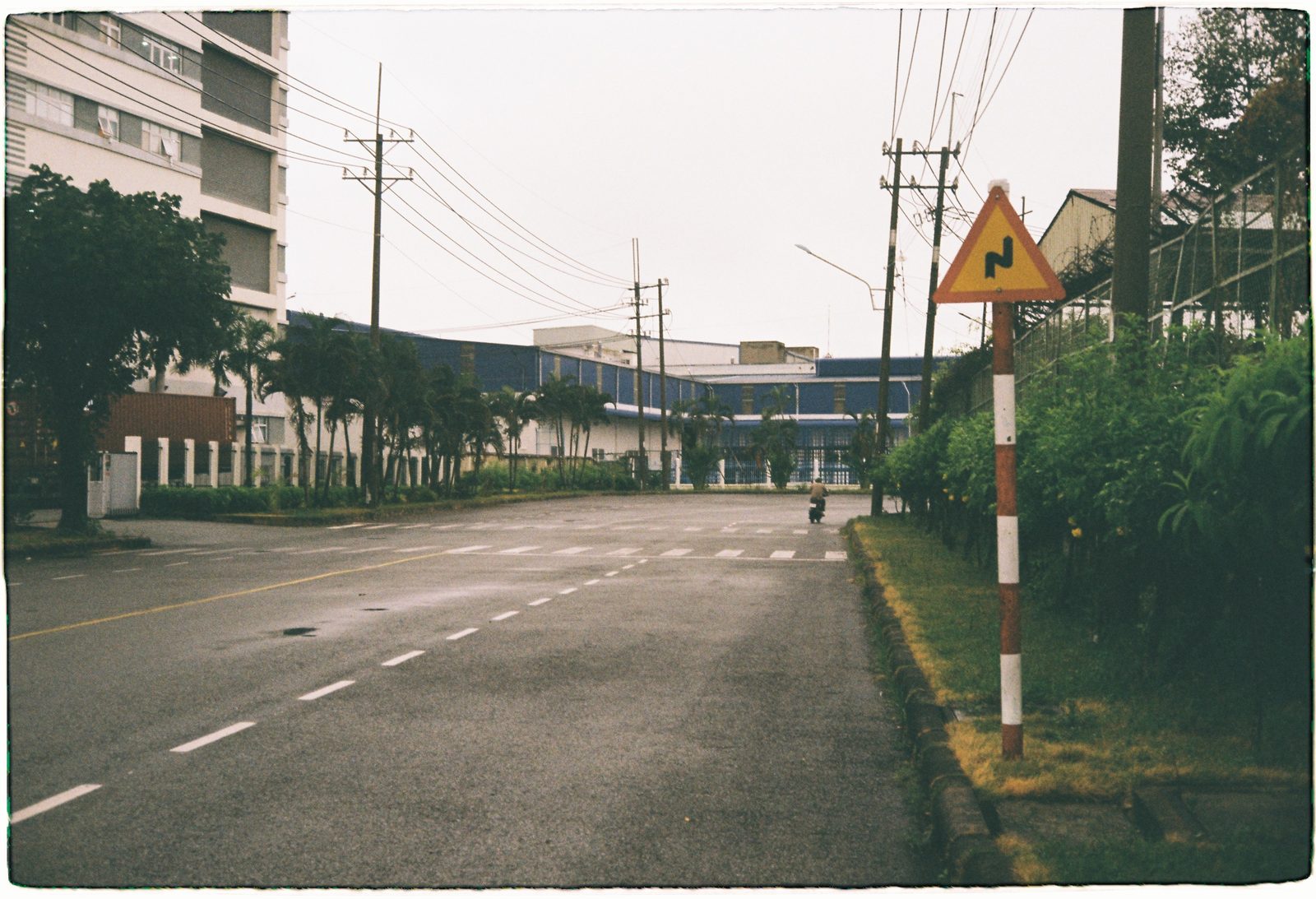
I, like most people right now, spend most of my waking time staring into a digital screen of sort - sounds cliché huh, but it's one thing I really am ashamed of, but I'm here to admit to it and share with you how I got myself a hobby from trying to reduce my screen time.
If you're outside right now - but you are reading this, so, not likely - look at the sky, pay a bit of your attention to the clouds above, look at their shapes, how they reflect light and cast shadows onto themselves at the same time. Aren't they so beautiful? How much do they weight? Thousands of tons I guess. Has they always been this gorgeous, or are we just not looking at them enough?
Wait... actually, did we ever look at clouds at all, or anything?
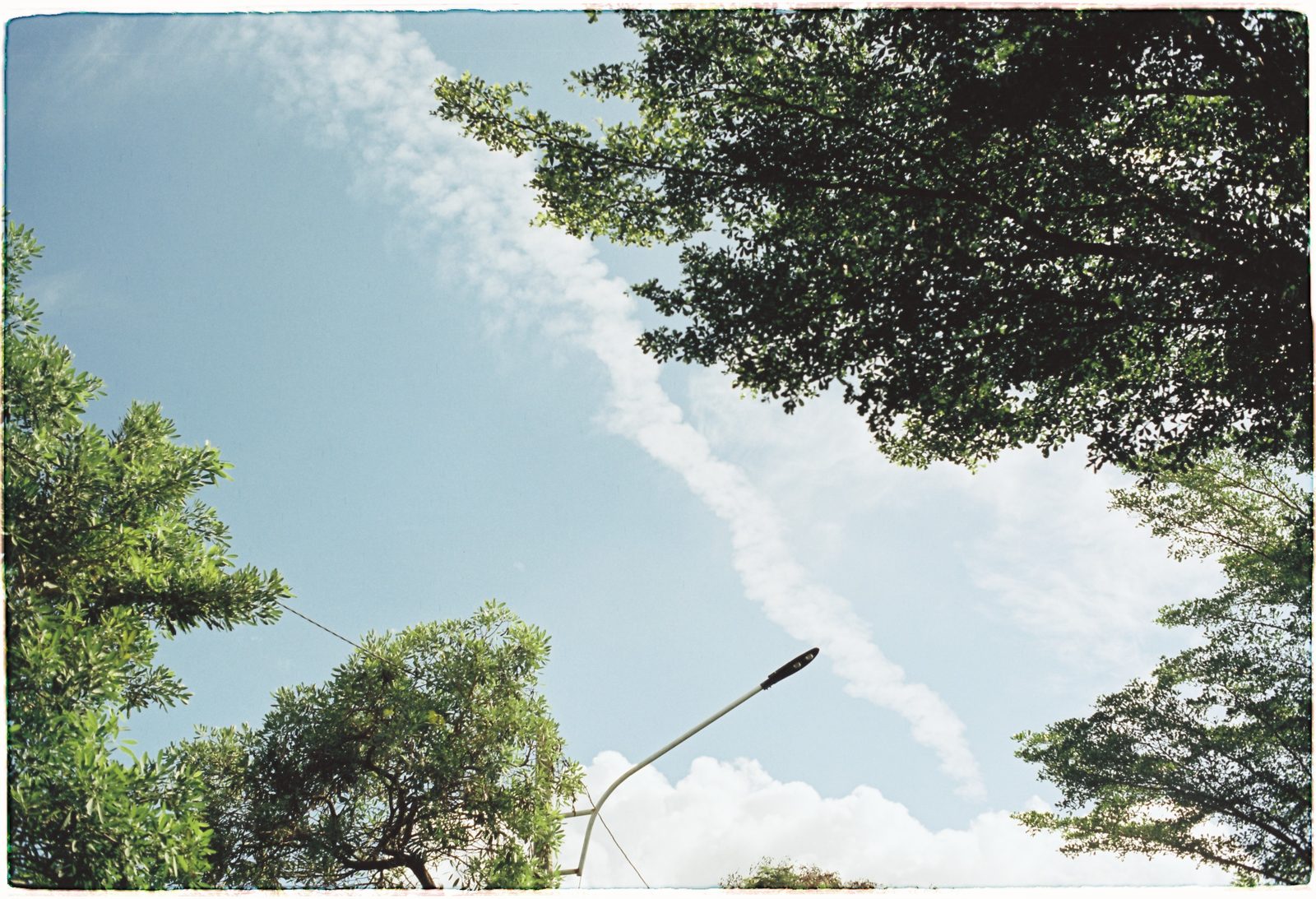
The way we see things
We, as human, "notice" things more than we "see" them after a while. Say, your laptop, how many stickers does it has? How many apps are on your phone home screen? Some may be looking at them right now, but if I asked you to lock your screen, close your eyes, and recite the exact placement of those apps or the specific design of the sticker in the bottom left corner, could you do it? Probably not.
We interact with these objects for hours every single day, yet they blur into an ambient background of pure utility. Our brains are incredibly efficient, energy-saving machines. Once something becomes familiar, our mind stops rendering it in detail. Instead of processing the raw visual data, it replaces the object with a low-res mental shortcut - starting with color. We "notice" the laptop is on the desk so we can work; we "notice" the green icon so we can send a message. But we completely stop seeing the intricate textures, the exact shade of the colors, or the way the morning light reflects off the car across the road.
Photography as a hobby
Photography had always been something I want to get into, but back then I thought without at least $2000, one can't simple get into photography (should've done my research).
Until one day, a colleague asked me if I want his Yashica Electro 35 GSN for $40
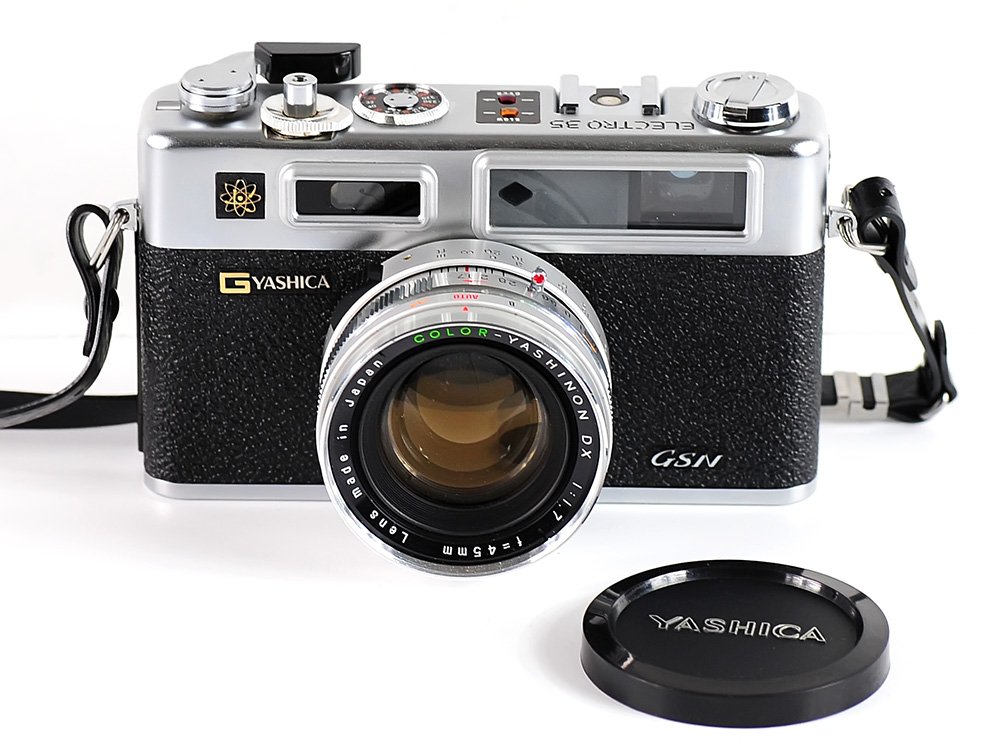
It was an instant accept from me, well since I already love photography before, a $40 entry fee is just a lovely excuse to finally dive in.
Holding that hefty chunk of 1970s metal and glass for the first time felt entirely different from holding a modern smartphone. It has real weight. It has mechanical resistance. And most importantly, it has no screen to immediately review your work - which is a plus to me.
My first ever roll of film was mostly awful - I got 4 decent looking one from it, but the one I got, I still remember them to this day. Might stems from the fact that I had paid so much attention while shooting them, to the angle, what is in the scene, and that the colors are so nice straight from when I got them from the lab.
"It's just magical" - I thought, and now 20 rolls later, the Bibbidi-Bobbidi-Boo has yet to gone away.